Smart Home Security Cameras: What You Actually Need
Walk through any electronics retailer and you'll find dozens of smart home camera options, each promising easy setup and peace of mind for under $100. Some of them work fine for what they are. But if you're investing in a professional smart home, consumer cameras create more problems than they solve — and they leave gaps in your security coverage that a proper system eliminates entirely.
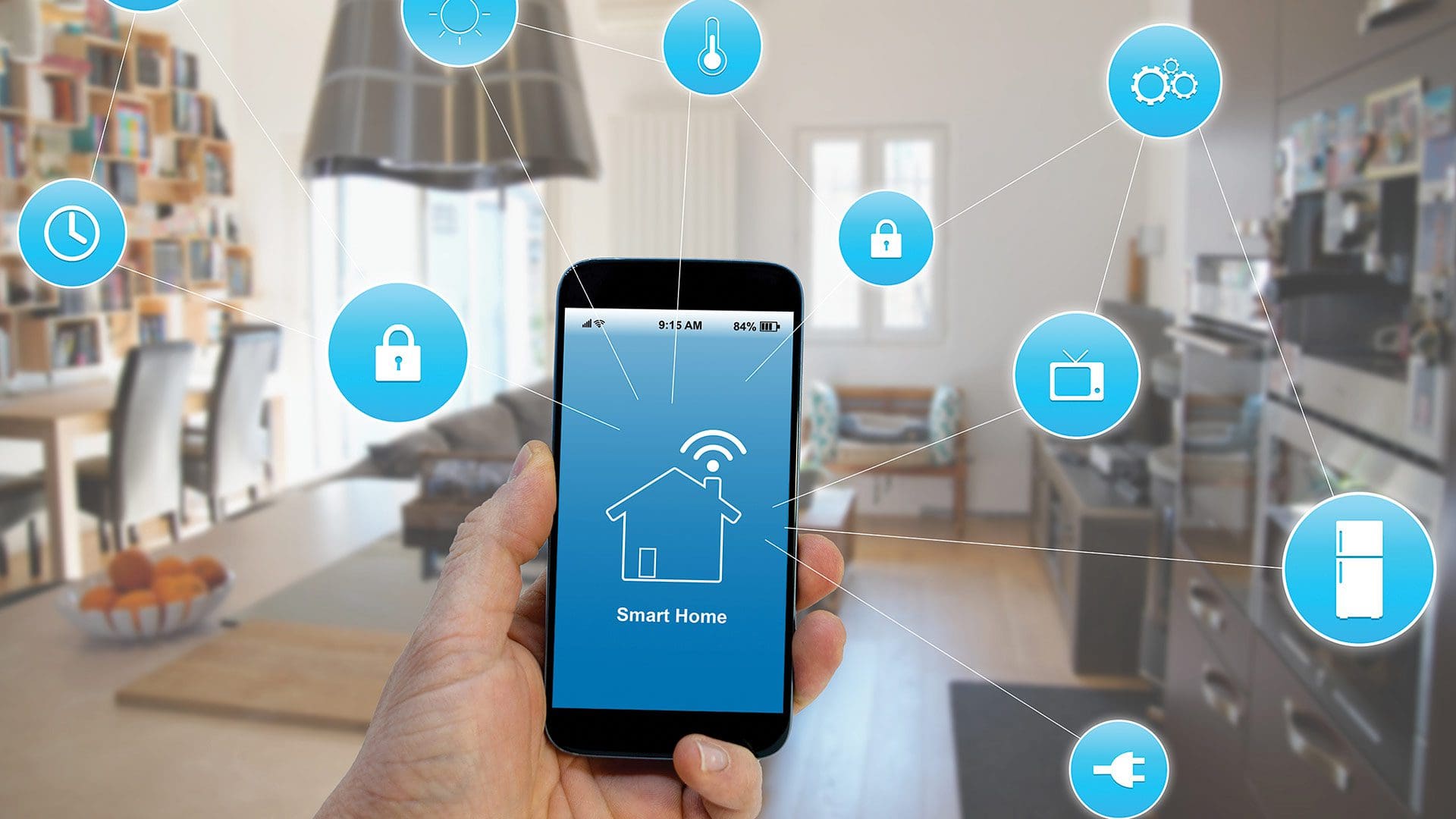
At DLSAV, we don't install consumer cameras. We design and install 4K IP camera systems — the same technology used in commercial facilities, corporate campuses, and high-security residential properties — fully integrated into your Crestron smart home. The difference in capability, reliability, and practical usability is significant.
This article explains what that difference looks like in practice, and how to think about security camera design for a luxury Atlanta home.
DLSAV's camera partner: We install IC Realtime 4K IP camera systems — a professional-grade platform trusted by law enforcement, commercial clients, and high-end residential properties nationwide. Full Crestron integration means your cameras are accessible from any touchscreen, keypad, or mobile device in your home.
The Problem with Consumer Cameras
Consumer smart cameras — including the popular subscription-based brands with doorbells and battery-powered outdoor units — have their place. They're easy to install, relatively inexpensive, and adequate for monitoring a front door or package delivery area in a basic home.
But for a larger property with multiple access points, a serious security posture, and professional automation, they have fundamental limitations:
Cloud Dependency
Consumer cameras typically require a cloud connection for recording, remote viewing, and even basic operation. If the manufacturer discontinues the service, changes their pricing model, or experiences an outage — which all of them have done — your cameras may stop recording or become inaccessible. Your security footage lives on someone else's servers, accessible to anyone with a warrant or a security breach.
Image Quality That Falls Short at Critical Moments
Consumer cameras advertise "HD" or even "4K" but often use digital zoom, compression, and narrow fields of view that make identifying faces or license plates at distance extremely difficult. Real 4K IP cameras with proper optics and low-light performance deliver images that are genuinely useful for identification — not just "something was there."
Fragmented Integration
Consumer cameras require their own apps, their own logins, and their own notification systems. In a professional smart home, that means your security is siloed from your lighting, access control, and automation. A professional system integrates cameras into a unified interface where motion on a camera can trigger a lighting scene, unlock a door, or send a notification through your Crestron system.
What a Professional 4K IP Camera System Looks Like
A professionally designed camera system starts with a site survey and a coverage plan. We map every access point, identify blind spots, consider lighting conditions at different times of day, and specify the right camera type for each location. Not every camera is the same — wide-angle fisheye cameras cover intersections, varifocal cameras cover long driveways, PTZ (pan-tilt-zoom) cameras provide active monitoring of large open areas.
Local Network Video Recording
Your camera footage is recorded locally to a Network Video Recorder (NVR) — a dedicated server at your home that stores weeks of continuous footage. No subscription, no cloud, no privacy exposure. You own your footage. If you want cloud backup as a secondary option, we can configure that as well — but the primary recording is always local and always yours.
True 4K with Low-Light Performance
IC Realtime's 4K cameras deliver genuine 8-megapixel resolution with wide dynamic range and sophisticated low-light performance. This means you can identify a face or read a license plate at 40 feet in conditions that would render a consumer camera useless — overcast evenings, backlit entry points, dimly lit parking areas.
Crestron Integration — Cameras Everywhere
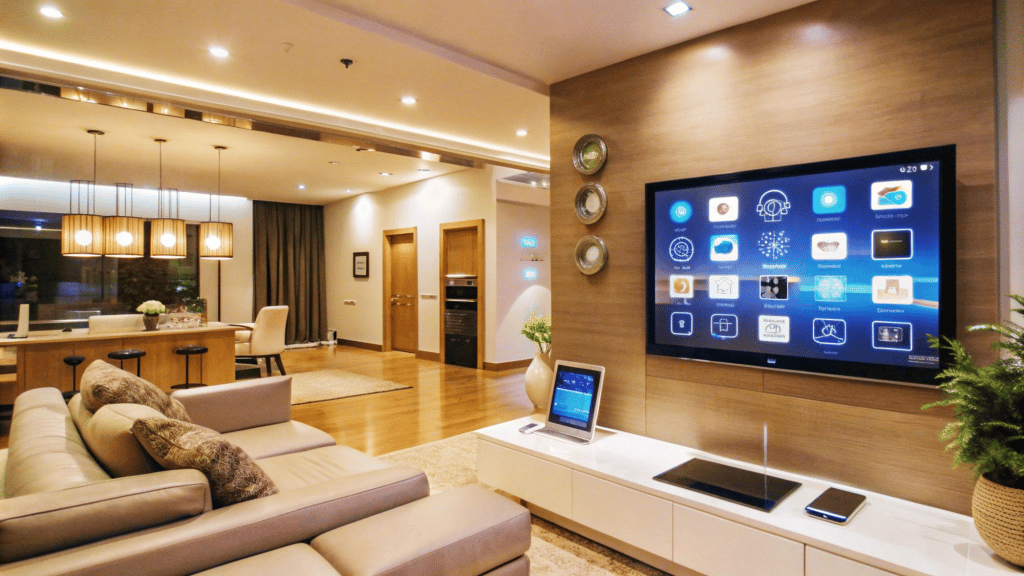
When your cameras are integrated into Crestron, they appear on every touchscreen and the Crestron mobile app. Your front door camera pops up automatically when someone rings the video doorbell. Your driveway camera appears on the kitchen touchscreen when the gate sensor detects a vehicle. You can view any camera from any room in the house — or from your phone anywhere in the world — through a single, unified interface.
Designing Coverage for an Atlanta Luxury Home
The security design of a property depends on what you're protecting and how you live. A 6,000 square foot home in Buckhead with a long driveway, a pool house, and a detached garage has different coverage needs than a 4,000 square foot home in Alpharetta with a fenced yard and a single entry point.
Priority Coverage Zones
We always prioritize: all vehicle entry points (driveway, garage), all pedestrian entry doors, the pool area (safety and security), perimeter fence lines, and the primary outdoor entertaining area. Secondary coverage typically includes side yards, the HVAC equipment area, and any detached structure.
Interior Cameras
Some clients choose interior cameras — typically in the garage, home office, safe room, or other specific areas. These are always specified, disclosed, and installed with client consent, and they integrate into the same system as your exterior cameras. Privacy zones can be programmed to automatically mask camera views when the home is occupied.
Peace of mind, anywhere: Every camera DLSAV installs is accessible through the Crestron mobile app, with configurable motion alerts and two-way audio where applicable. Whether you're at the office, at the gym, or traveling abroad — your home is always visible and in your control.